

Gambling or player choice? The furious debate around FIFA’s loot box system | PC Gamer - colemanmirdid98
Gambling or player choice? The stormy debate round FIFA's despoil box system of rules

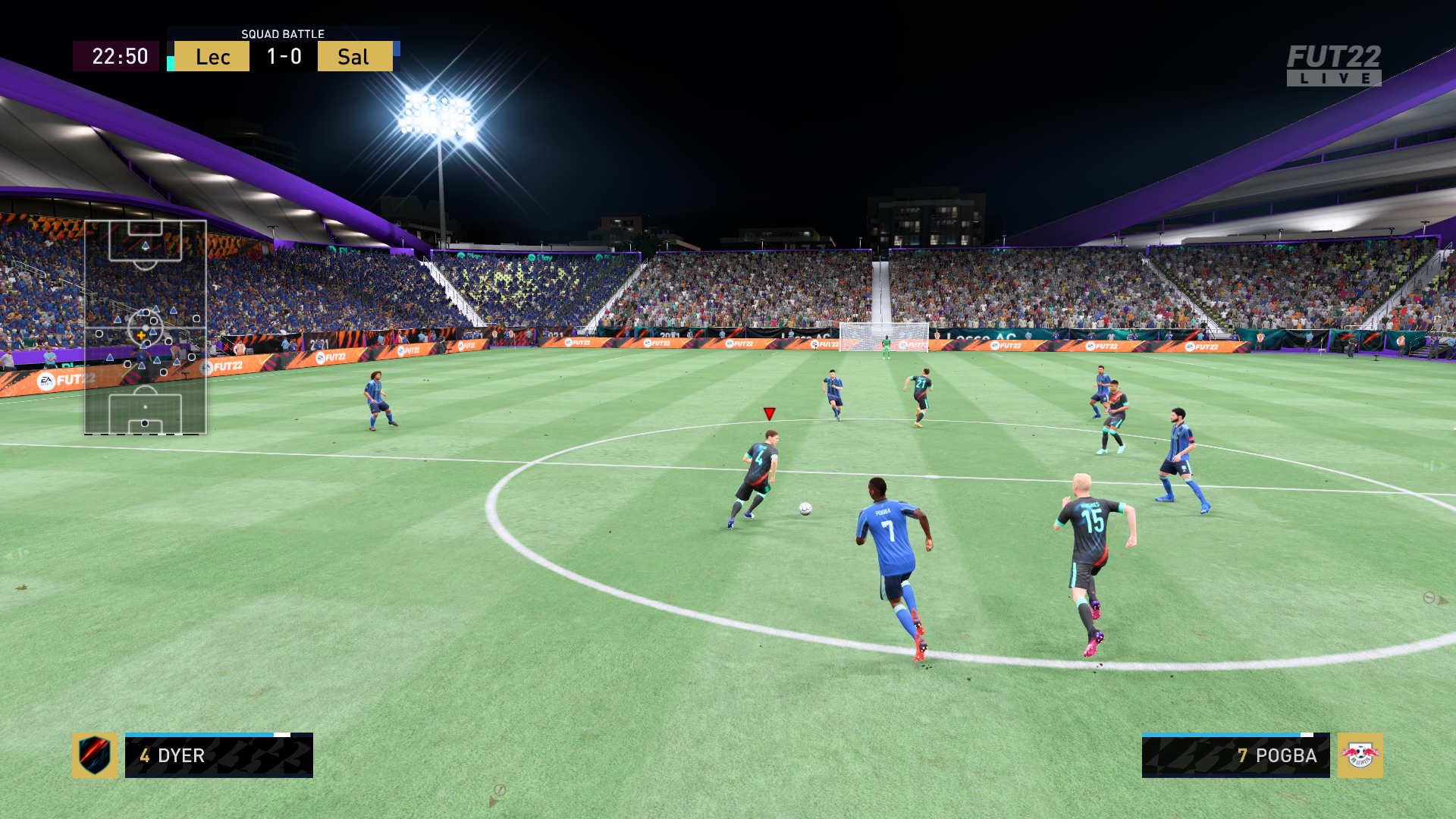
The pageantry when opening FIFA's Ultimate Team packs is an tantalizing spectacle. The bright colors, the dramatic event and, if you are very fortunate and land a special visiting card, the walk-out, fireworks and confetti descending downhearted. Cracking open a FUT pack creates a carnival ambiance.
FUT has become a core part of the game's experience since its debut in FIFA 09. At launch matchless million players old the service and, in May 2021, EA announced that the number had risen to 30 million for FIFA 21 in an interview with Eurogamer.
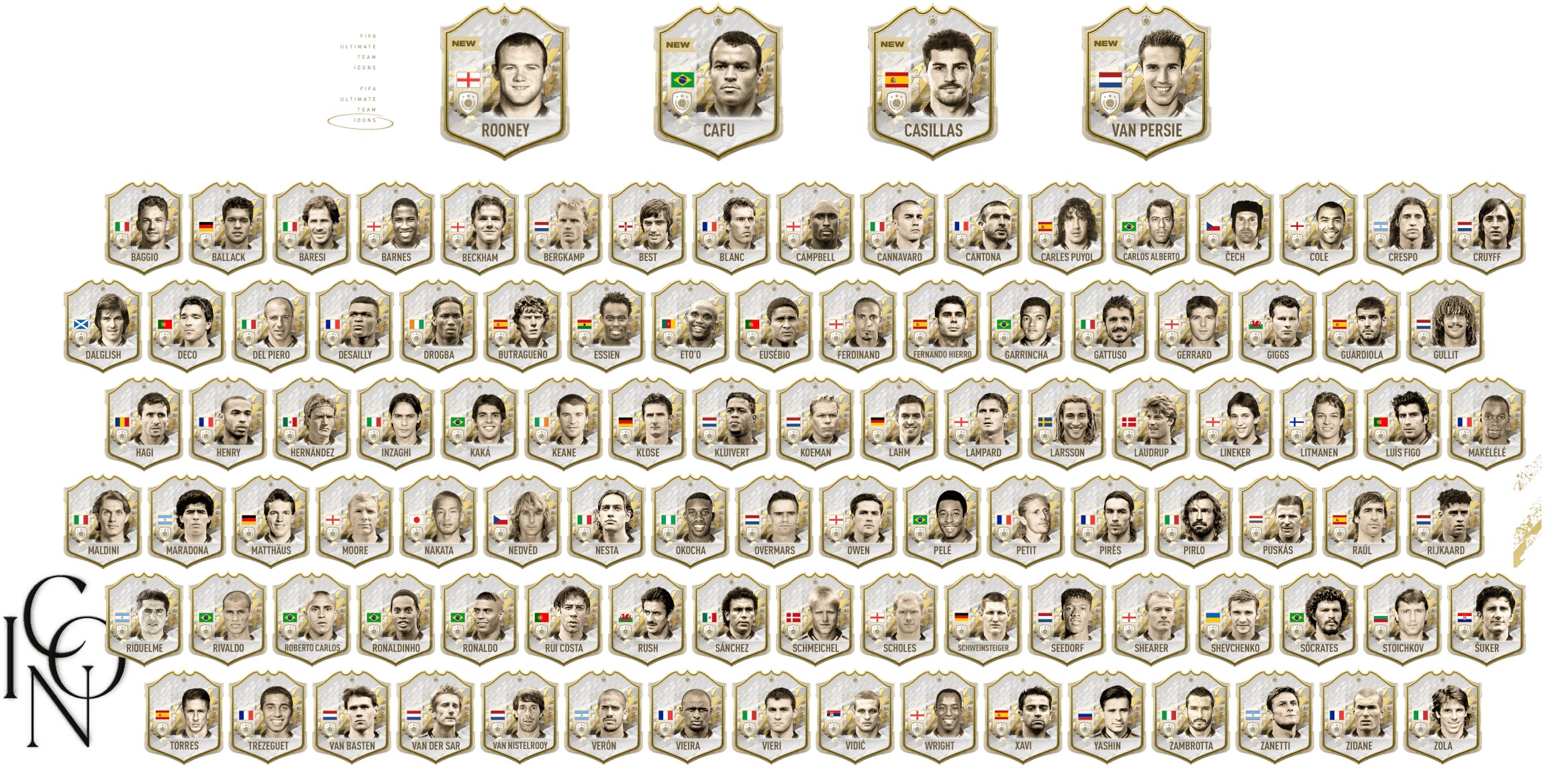
Millions of players are making their own dream teams. Pairing Ronaldinho with Kylian Mbappe or Dennis Bergkamp with Robert Lewandowski. But that, in large part, is when players begin to see the catch.
The road to acquiring the scoop players takes one of cardinal things: clip or money. Even then, with some of those things invested, there is an element of luck in landing place the player to make a squad complete.
Regulation
"When you are scared of anything, or something new comes along, like loot boxes, and you don't like it, you cast out it."
Dr. Susan B. Anthony Bean
The mode has come under examination for existence symbolical of 'loot box' systems in games: exhibit A in the ongoing argument between players, publishers and regulators about exploitative monetization in games. The argumentation can become especially impassioned around FUT because, piece EA Crataegus oxycantha say it doesn't want children spending money in FIFA, anyone who's been around football game-frantic teenagers knows that they do.
In 2018, Belgium prohibited loot boxes, classing them as gambling, ironically with the press release of Star Wars Front line II, an EA published game. Belgian MPs declared that in-game purchases where the thespian does not know the contents until afterward buying it would be banned for users low-level 18. In 2020, Netherlands fined EA 10 million euros for violating the gambling act in the land. Both decisions have dichotomous opinion inside a nuanced contestation.
"When you are afraid of anything, or something new comes along, like loot boxes, and you don't like it, you ban it," says clinician and computer game researcher Dr. Mark Antony Bean. "I cerebrate Belgique banned them untimely. IT is not going to solve the trouble, you are just trying to take an authoritarian point of view on information technology rather than organism able to empathise what the get of it is and regulation it better."
In the GB, loot boxes are not classed as gambling. All the same an investigation aside the Department for Digital, Refinement, Media and Sport, started in 2019, is assessing if this should remain the eccentric. The politics commissioned Abertay University to valuate evidence obtained in June 2020. The hope is a report bequeath constitute issued by the end of this twelvemonth.
Gambling or Player Choice?
"I do not think there is sufficient evidence that loot boxes are analogous to gambling."
Dr. Rachel kowert
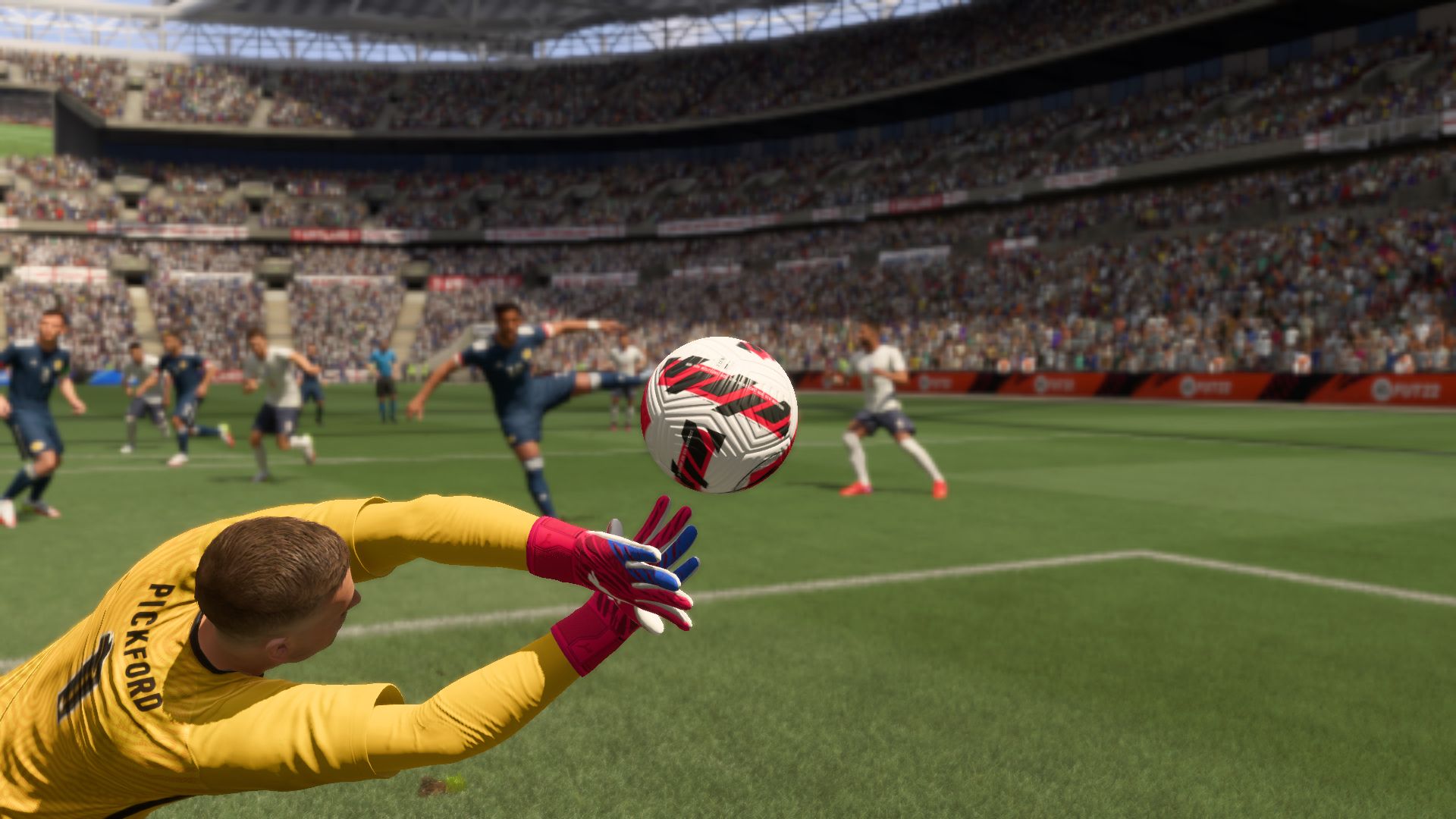
Regardless of where one stands on banning loot boxes, it has opened improving a debate around whether having them within a gamey is a form of gambling or if they represent player choice.
"Spending is entirely optional in our game. Players derriere open FUT packs by earning rewards through gameplay and that's how to the highest degree choose to do it—more than three living quarters of FIFA 21 players didn't spend in game, and 9/10 FUT packs opened in FIFA 21 were earned kinda than purchased," same EA's Chris Bruzzo in a statement.
"I do not think out in that location is sufficient evidence that loot boxes are analogous to gambling," research psychologist Dr. Rachel Kowert told PC Gamer when asked almost the ban. According to Dr. Kowert, if the game can be played without spending extra money to open scratch boxes, and the choice is the user's to purchase them, the interrogation then goes into fuzzier territory. If the loot box implementation is acting a role in the game becoming unbalanced, for example, with players experiencing monumental gaps in the quality of their items, then that clouds the argument.
"I agree that it is player choice," says Dr. Kowert. "But if the pillage box item gives somebody an in-game advantage—you get a good gun or role player—and I don't wealthy person it and now you beat me because of it... That is going to draw into a player's trust. Their player pick will be influenced because players will really want to keep opening loot boxes until they get something similar."
It is an ruling distributed away Dr. Bean, who believes that while choice is available to players there are subtle scientific discipline mechanisms at play which influence decisions, and therefore Crataegus oxycantha have elements of gambling in them.
"I am not the biggest fan of loot boxes," says Dr. Bean. "I don't call back they are advantageous because they are a form of variable reinforcement."
Unsettled reinforcement is a chemical mechanism which changes the reward for a surrendered action, making the desired result unpredictable.
"That varied reinforcement tells you that at some point you are going to get this better thing, sol information technology keeps you purchasing them," Dr. Bean continues. "That's where the gambling comes into roleplay. It is acquiring mass to keep disbursal money."
These systems now seem ingrained in video games and, as the food market has get ane of the biggest in the show business in the last decade, loot boxes could be seen American Samoa a new problem. Only Dr. Kowert argues against this, saying it is just an old method repackaged in a digital skin, and hence not analogous to gambling.
"This kinda reinforcement has been approximately for ages. Pokémon cards, baseball cards, Kinder Storm and loot boxes all crop connected the same science mechanism. You may get something that you want, you May get something that you assume't deprivation only either way you are getting something. Now the fact that it is really nifty operating theatre not so good, that is what keeps us going."
That argument doesn't curry favour with Dr. Bean, largely due to the volatile nature of the random items.
"I imagine they do have a play aspect thereto," He says. "Gambling in itself is regulated because the great unwashe do it the harm it can do—there are ways around that though. It is a roulette wheel of some screen. Yes, you get something out of it but that something just makes you feel bettor. Information technology is like freehanded you one dollar and so getting something back worth 20 cents. It is based on a chance that your one dollar power get you something back for 20 dollars. I would argue that it is still gambling."
"Are they shaded ethically? Peradventure. The mechanism does draw off us in—that the big rewards are sporadic—we want to keep purchasing and see the rewards."
Dr. Rachel Kowert
Though Dr. Kowert leans towards the contestation that loot boxes are not gambling, she also reckons that video game companies could do more to be lucid about some of the mechanisms at run.
"Are they disreputable ethically? Perhaps. The mechanism does draw us in—that the massive rewards are sporadic—we deprivation to keep purchasing and see the rewards. It is an enticing mechanism in games and they are designed to cost seductive."
Those mechanisms have led to players spending hundreds, sometimes thousands of pounds buying packs to take the trump players in the game. A spry google search will throw up plenty of news program stories on family bank accounts being drained, debts being mounted upwards and the struggle to try and reclaim some of the lost money.
"Our prefrontal cortex, which makes decisions, is non in full formed until about age 25," Dr. Kowert explains. "So theoretically people thereunder age would live much vulnerable in the sense of not having as much self regulation."
A sight of the venerate centres around children spending the money, sometimes perhaps unknowingly, to receive in-game up-to-dateness and then to spend on FIFA points. Dr. Edible bean says what he has seen from his patients is that the distinction is not so cut and dry.
"Kids who understand money and money concepts are less likely to follow susceptible to that. But if a kid does non realize money, it could take a couple of months or years to understand how money works. Some kids don't understand that. I would say that it is likely to prey thereon type of mindset."
"Very fewer people want to time lag for anything, but I think the fact that you keister grind to get packs and players is the key," Kowert counters. "Information technology is player choice. I behind grind for however long or I can prefer to pay for it."
The Gravy Develop
EA did recognise that they need to do work on "real solutions" in an interview with Eurogamer to stop players from overspending on loot boxes on every their games. Part of that solution was offering `preview packs', which allow the player to see the proper items wrong before deciding if they want to proceed with the buy, either with in-gamy coins or FIFA points.
Another element Ea is keen to stress, specially from the standpoint of children playacting the games and parents not understanding them, is about didactics and having information available.
"We also neediness all our players to have a positive experience, which is wherefore we look to provide as much information and mastery to players and parents atomic number 3 possible," Bruzzo said in a statement to PC Gamer. "Worst year, for example, we introduced FIFA Playtime, a dashboard that provides players with visibility into their time played, packs opened and points purchased. Meanwhile, this year we launched a new campaign with Internet Matters to facilitate parents and carers insure children fiddle video games responsibly by raising awareness of the robust parental control tools available."
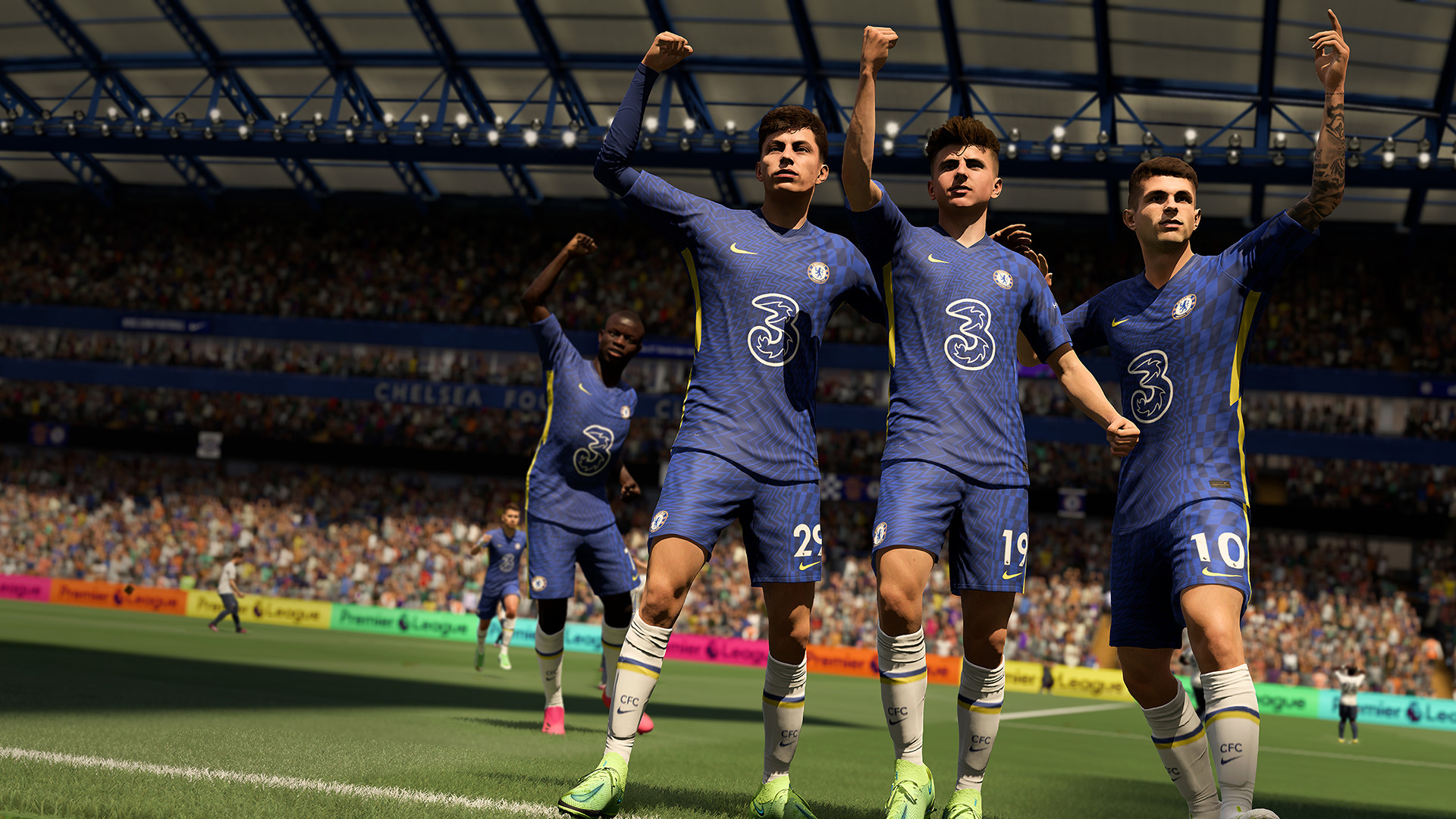
The debate over FUT packs is complex, and even psychologists can't jibe on how the utilize of such techniques in picture games is impacting player conduct. IT is acknowledged there are elements of gambling in such systems, which force out influence player choice, but thither's no consensus for conflating loot boxes with what we could call 'echt money' gambling. Merely establish no slip up: in that respect's pot of real money sloshing through these systems too. Late crackdowns from governments have non obstructed Ea amassing £1.18 billion through its various Ultimate Squad modes (which also includes NFL telecasting game franchise Madden and the NHL series), with a "substantial portion" of that coming from FIFA's Ultimate Team mode, according to EA's recent commercial enterprise report card.
Ea have tried to specify overspending with various initiatives such American Samoa preview packs, but such fiddling around the edges of the system will not slow the vast amounts of money being poured into the game mode. With a lack of scientific consensus, and various regulatory bodies scrambling to even define the numberless of loot box systems nevermind legislate some them, this gravy condition will embody chugging on for years to do.

Source: https://www.pcgamer.com/gambling-or-player-choice-the-furious-debate-around-fifas-loot-box-system/
Posted by: colemanmirdid98.blogspot.com
0 Response to "Gambling or player choice? The furious debate around FIFA’s loot box system | PC Gamer - colemanmirdid98"
Post a Comment